
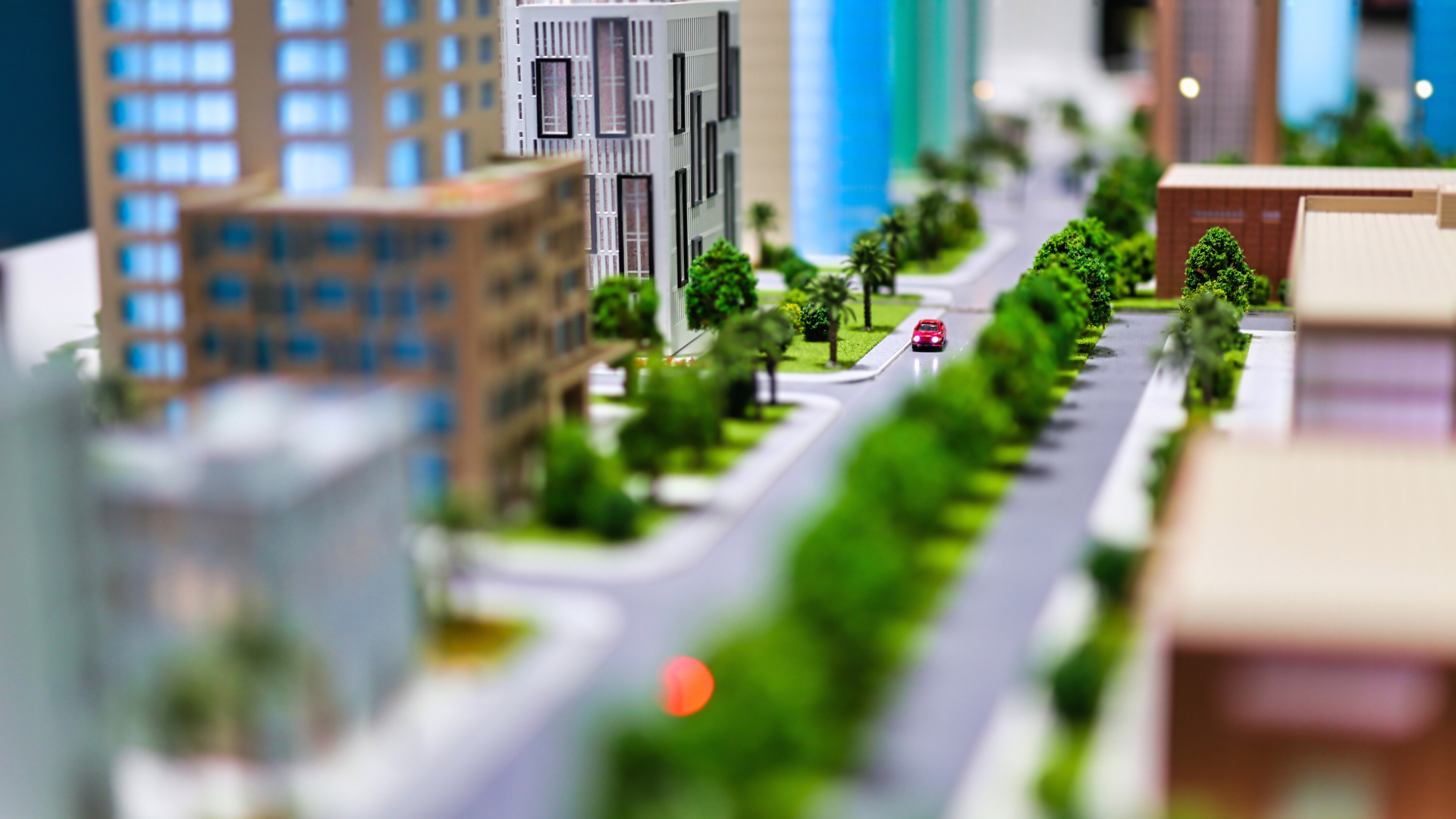
As urbanization continues to rise, the concept of smart cities is gaining traction. These cities integrate advanced technology with infrastructure to enhance the quality of life for residents. The construction industry’s role will be pivotal in shaping the infrastructure that supports these innovations, from energy-efficient buildings to connected transportation systems.
Investments in smart technology are set to revolutionize how cities operate. Sustainable building practices and smart materials will lead to efficient energy use, reduced waste, and improved overall functionality. As new construction projects emerge, they will incorporate smart technologies that allow for real-time data collection and analysis, making it easier to manage urban challenges.
The collaboration between architects, urban planners, and technology providers will drive the evolution of smart cities. By prioritizing connectivity, sustainability, and resilience in their designs, the construction sector can significantly impact the development of urban environments for future generations.
While large-scale urban planning shapes the city, the individual homes within it also require meticulous design. For homeowners looking to undertake new builds, extensions, or conversions, engaging a skilled architect wolverhampton (or elsewhere) is crucial. These professionals navigate local regulations, ensure structural integrity, and translate client visions into functional, beautiful living spaces. Their expertise ensures that even domestic projects contribute positively to the urban landscape and enhance residents’ quality of life.
Conceptualizing Smart Cities
Smart cities represent an innovative approach to urban development that integrates technology to enhance efficiency and sustainability. This concept involves a complex interplay of various technologies and strategies designed to improve the quality of life for urban residents.
Defining Smart Cities and Urban Development
Smart cities utilize digital technology to improve infrastructure and services. They focus on improving traffic management, energy consumption, and waste management. Characteristics include:
- Connectivity: Advanced communication networks support data exchange.
- Data-Driven Decisions: City management relies on real-time analytics for effective solutions.
- Public Engagement: Residents contribute feedback through apps and platforms.
These elements combine to create urban environments that adapt to the needs of their inhabitants.
The Role of AI and IoT Devices in Urban Planning
Artificial Intelligence (AI) and Internet of Things (IoT) devices play crucial roles in achieving smart city objectives. IoT devices collect data from various sources, including sensors and smart meters, which provide valuable insights. Key benefits include:
- Improved Efficiency: Real-time data allows for quick response to urban challenges.
- Predictive Maintenance: AI algorithms optimize infrastructure upkeep.
- Enhanced Public Services: AI streamlines processes, from traffic light management to emergency responses.
Such integration leads to smarter urban planning and resource allocation.
Sustainability and Environmental Sustainability Targets
Sustainability is at the core of smart city initiatives, focusing on renewable energy integration and waste reduction. Key sustainability targets include:
- Energy Efficiency: Utilizing smart grids and renewable sources reduces carbon footprints.
- Waste Management: Smart technology aids in recycling and efficient waste collection.
- Green Spaces: Development includes parks and green roofs, improving urban biodiversity.
Adopting these practices fosters a sustainable future, ensuring that cities can thrive while minimizing environmental impact.
Implementation Strategies and Challenges
The development of smart cities entails various strategies, collaborations, and methods to overcome challenges. Key elements include effective urban planning, public-private partnerships, and finding solutions for sustainability in resource management.

Smart City Development and Implementation
Smart city development focuses on integrating technology with urban infrastructure. Key strategies involve leveraging Internet of Things (IoT) devices to enhance public services, such as waste management and traffic controls.
Investment in data analytics plays a vital role. Cities can utilize this data for monitoring resource efficiency and optimizing energy use.
Furthermore, implementing infrastructure that supports renewable energy sources fosters sustainability. Technology adoption must also consider citizens’ needs to ensure inclusivity in urban environments.
Public-Private Partnerships and Collaboration
Public-private partnerships (PPPs) are essential in smart city initiatives. These collaborations can lead to shared resources and expertise, facilitating large-scale projects.
For example, private companies can contribute funding and technological innovation while public entities manage regulatory aspects. Joint ventures may work on transportation systems or energy-efficient buildings.
In addition, community engagement strengthens these partnerships. Civic input helps align projects with public interest, encouraging support for smart city initiatives.
Overcoming Challenges for Sustainable Urban Planning
Challenges in sustainable urban planning often stem from resource limitations and regulatory hurdles. Cities face obstacles when balancing growth with resource efficiency and environmental responsibilities.
Addressing economic disparities is crucial. Investments should also focus on underserved areas to promote equity in smart city benefits.
Technological adaptability is another challenge. Cities must ensure that infrastructure can integrate emerging technologies without extensive overhauls. Continuous evaluation and stakeholder collaboration are necessary to navigate these complexities effectively.
Smart City Solutions in Action
The implementation of smart city solutions is transforming urban environments globally. These initiatives enhance urban mobility, improve infrastructure, and promote energy efficiency through innovative technologies and data analytics.
Case Studies of Global Smart City Initiatives
Cities like Singapore exemplify successful smart city projects. Singapore’s Smart Nation initiative integrates data analytics, enabling streamlined public services and improved urban planning.
Barcelona enhances urban mobility through connected sensors, optimizing traffic flow and reducing congestion. Another prominent example is Eindhoven, where smart buildings utilize IoT technology to manage energy use efficiently.
These case studies highlight the diverse applications of smart solutions and their impact on urban life.
Infrastructure and Mobility Solutions
Smart infrastructure is essential for effective urban mobility. Cities are increasingly adopting integrated transport systems that utilize real-time data for improved public transit. For instance, Boston’s Smart Parking program guides drivers to available spaces, decreasing search time and lowering emissions.
Urban mobility also includes cycling and pedestrian infrastructure, supported by smart technologies such as bike-sharing apps. Enhanced mobility solutions focus on sustainability and efficiency, contributing to a better quality of life. Additionally, thoughtfully designed public spaces support pedestrian comfort and promote longer, more enjoyable walks. Along these paths, structures like concrete benches found in city landscapes can also help by providing sturdy, weather-resistant seating, encouraging rest and social interaction among pedestrians.
Smart Energy and Smart Grids
Smart energy systems are crucial for the sustainability of cities. These systems, often integrated with smart grids, allow for optimized energy distribution and consumption.
Smart buildings equipped with energy management systems can reduce consumption by up to 30%. These technologies enable consumers to shift usage to off-peak hours, resulting in cost savings and reduced strain on the grid.
Moreover, incorporating energy-conscious design and infrastructure solutions into commercial and residential developments supports long-term sustainability goals while enhancing operational efficiency. For instance, integrating advanced energy monitoring systems and efficient building layouts can help reduce overall consumption and operational costs. In this context, professionals like commercial roof hatch manufacturers contribute by providing products that support energy-efficient ventilation and natural light strategies, aligning with broader sustainability goals.
Evaluating Impact and Future Prospects
Smart cities are transforming urban environments through technological innovations. This transition impacts quality of life, economic growth, and the sustainability of future developments.
Quality of Life and Urban Living Enhancements
Smart cities aim to improve residents’ quality of life by integrating technology into daily living. Intelligent transportation systems reduce traffic congestion and enhance mobility. Smart lighting and waste management systems utilize data to optimize city services.
Healthcare services benefit from AI integration, allowing for efficient patient monitoring and quick response times. Enhanced connectivity through 5G enables remote consultations, making healthcare more accessible. Urban parks and green spaces support mental well-being and community engagement, promoting a healthier lifestyle.
Economic Growth and Local Economies
The shift towards smart urban development fosters significant economic growth. Innovative construction methods and technologies lower costs while improving efficiency. Local businesses gain access to more customers through improved infrastructure and services.
Investment in smart technologies drives job creation, particularly in IT and engineering sectors. Government support for sustainable projects attracts private investment, further boosting local economies. As cities adopt smart initiatives, they can better compete globally, positioning themselves as leading smart nations.
Looking Ahead: The Evolution of Smart Cities
The future of smart cities is poised for continuous evolution. Integration of advanced technologies like AI and IoT will enhance urban services, making cities more responsive and efficient. Sustainable practices will be central, ensuring minimal environmental impact.
Additionally, emerging trends like telecommuting may reshape urban planning, reducing the need for extensive commuting infrastructure. Continuous advancements in technology will redefine urban living, making it more resilient and adaptive. Smart cities will focus on equitable access to resources, ensuring a sustainable future for all residents.