
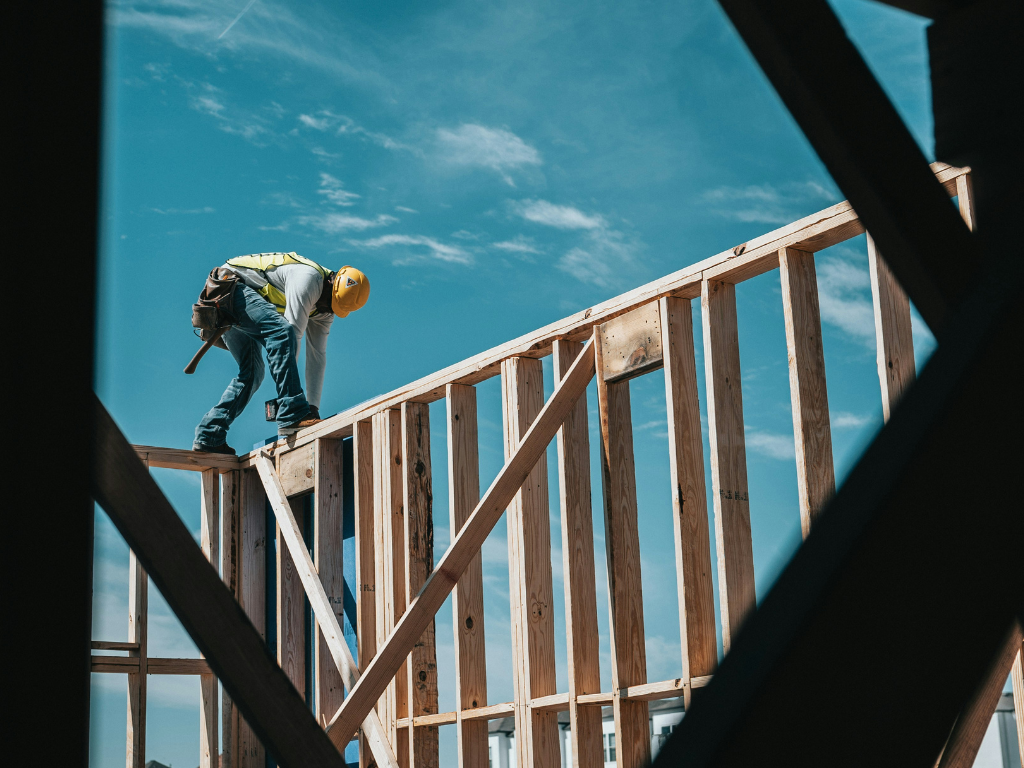
Construction projects never go exactly as planned. Whether you’re building a deck, putting up shelves, or working on something bigger, problems pop up when you least expect them. The good news is that most construction issues have been dealt with before, and there are tried-and-true ways to fix them without starting over.
When Measurements Go Wrong
One of the most frustrating things that can happen is when your measurements are off. You cut a board too short, drill holes in the wrong spot, or discover that two pieces that should fit together just don’t. This happens to everyone, even experienced builders.
The first thing to remember is not to panic. Most measurement mistakes can be fixed without throwing everything away. If a board is too short, you can often add an extension piece or redesign that section slightly. When holes are drilled in the wrong place, wood filler can fix the old holes, and you can start fresh with the correct measurements.
Prevention works better than fixes though. Double-checking measurements before making any cuts saves time and materials. The old saying “measure twice, cut once” exists because it really works.
Dealing with Wobbly Structures
Nothing is more annoying than building something that looks right but feels unstable. Tables that rock, shelves that sag, or frames that feel loose are common problems that usually come down to a few basic issues.
Most wobbly structures happen because the connections aren’t tight enough or the wrong type of fastener was used for the job. When standard screws aren’t holding properly, upgrading to Bolts Set Screws can make a huge difference in stability and longevity. These specialized fasteners create much stronger connections than regular screws, especially when you need something to stay put under stress or repeated use.
Sometimes the problem isn’t the fasteners themselves but how they’re being used. Screws going into end grain don’t hold as well as those going into side grain. Adding reinforcement blocks or changing the angle of attachment can solve these stability issues.
Material Problems and Quick Solutions
Working with warped lumber is something every builder faces. Boards that look straight at the store can develop curves and twists once you get them home. Instead of returning everything, there are ways to work with what you have.
For slightly warped boards, sometimes you can straighten them as you attach them to the frame. Clamps and strategic screw placement can pull a board back into line. If the warp is too severe for this approach, that board might work better in a different part of the project where the curve won’t matter as much.
Cracked or split wood is another common headache. Small cracks can often be glued and clamped until they’re stronger than the original wood. Larger splits might mean using that piece somewhere else or cutting around the damaged area.
Fixing Alignment Issues
When multiple pieces need to line up perfectly, small errors can compound into big problems. Door frames that aren’t square, shelves that don’t align, or joints that don’t meet properly can make a project look unprofessional.
The key to fixing alignment problems is finding the source. Sometimes one small adjustment early in the process fixes everything downstream. Other times, you need to work backward from the problem area to see where things went off track.
Using reference points and checking square frequently as you work prevents many alignment issues. A speed square and level should be within reach at all times during any construction project.
Weather and Time Pressure Solutions
Outdoor projects face additional challenges from weather and changing conditions. Rain can stop work completely, but there are ways to keep projects moving even when conditions aren’t perfect.
Covering work areas with tarps allows construction to continue during light rain. Working in sections means that if weather hits, only part of the project is affected. Having indoor backup tasks ready keeps productivity up when outdoor work isn’t possible.
Time pressure creates its own problems. Rushing leads to mistakes, but sometimes deadlines can’t be moved. Breaking large tasks into smaller, manageable pieces helps maintain quality even when time is short. Preparing materials in advance and having all tools ready before starting each phase saves precious time.
Learning from Every Problem
The best problem-solvers in construction are those who learn from each challenge. Keeping notes about what worked and what didn’t helps with future projects. Every mistake becomes valuable experience for next time.
Most construction problems have multiple solutions. The best fix depends on the specific situation, available materials, and time constraints. Flexibility and creativity often matter more than following instructions exactly.
Remember that even professional builders face these same challenges. The difference is that they’ve learned to expect problems and plan for them. Having extra materials on hand, keeping multiple solutions in mind, and staying calm when things go wrong are skills that develop with experience.
Construction projects teach patience and problem-solving in ways that few other activities can. Each challenge overcome makes the next project easier and more enjoyable.