
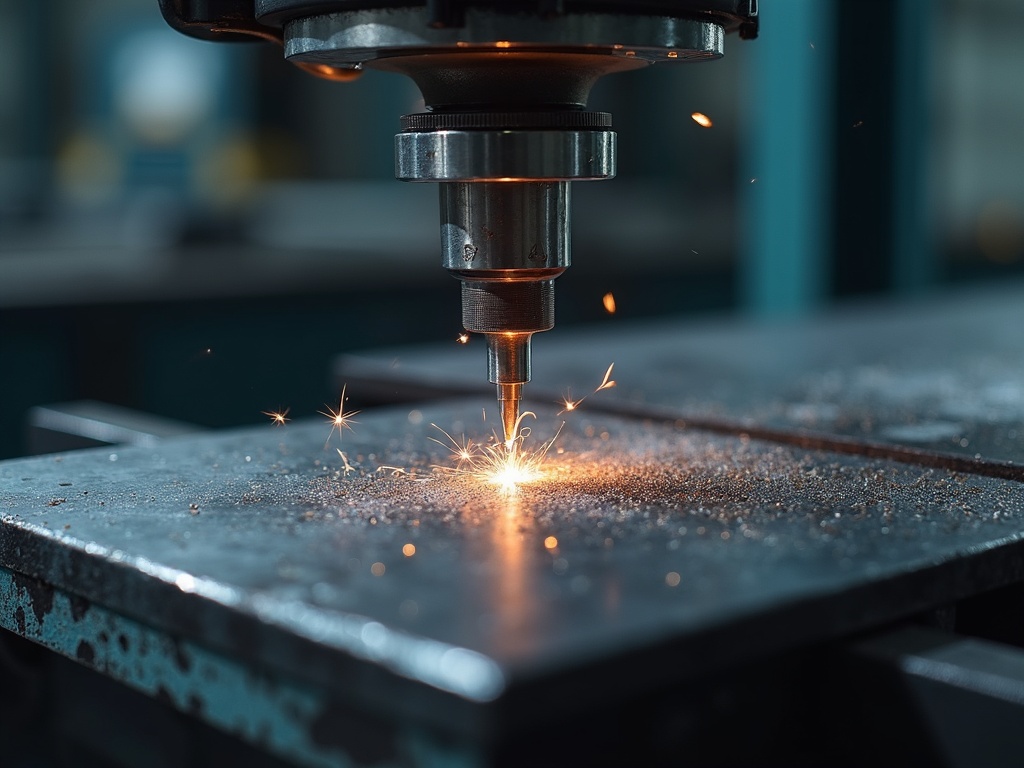
Drilling a short hole is simple. Drilling a hole that runs deep through a metal bar is a different story. The tool must stay straight for a long distance. Heat builds up. Chips have to come out without getting stuck. Long-hole machines handle all of that at once. They use steady force, smart guides, and strong coolant to make a clean path right through solid metal. This guide explains the idea in plain terms so anyone can follow along.
What “deep” really means
A hole counts as “deep” when it goes far beyond the tool’s width. Picture a pencil making a tunnel through a baseball bat. The tunnel is many times longer than the hole is wide. That kind of job brings special problems. The tool can bend, drift off the center line, or jam. Heat can grow fast. Chips can pack in the hole and scratch the walls. A long-hole machine is built to prevent those issues and keep the hole straight from start to finish.
If you want a simple walk-through of core ideas and parts, this guide on the Deep Hole Drilling Machine gives a clear look at how the flow of coolant and chip removal work together.
The main parts you will notice
A long-hole setup looks a bit different from a common drill press. The base holds the work so it cannot move. A strong spindle turns the cutting tool at a steady speed. At the front sits a guide bushing or a pilot bearing. That guide is the “start line” that keeps the tool pointed straight as it enters the metal. A high-pressure pump sends coolant into the tool. Filters clean the coolant so tiny metal pieces do not get pumped back in. On the chip end, there is a trough or conveyor that collects chips and carries them away. Everything aims at one goal: a straight, smooth hole with no stoppage.
How the process works, step by step
Most jobs start with a pilot hole. It is short, small, and very straight. The pilot gives the long tool a true path. The guide bushing sits tight near the part face so the tool cannot wobble as it bites into the metal.
While the tool turns, the pump pushes coolant at high pressure. The coolant cools the tip and breaks chips. It also carries the chips out. In many cases, the coolant flows through the center of the tool, hits the cutting edge, and then returns along a small channel to the outside, dragging chips with it. In other cases, the flow is reversed. Either way, the idea stays the same: keep the tip cool, push chips away fast, and avoid clogging.
Feed and speed matter. Too slow and the tool rubs and overheats. Too fast and the tool can deflect or chatter. A good setup sets a steady feed and watches chip shape. Short, curled chips usually mean the cut is healthy and the hole is clean.
Two common methods you will hear about
There are many styles, but two show up the most.
Gun drilling uses a slim, single-lip tool with a V-shaped groove. Coolant flows down the center of the tool and chips ride back in the groove. This works well for small to medium holes that go very deep. The guide bushing is close to the work face, which helps the tool stay on line.
BTA/STS (Boring and Trepanning Association / Single Tube System) flips the flow. The tool body is a tube. Coolant floods around the outside of the tool into the cut. Chips get sucked up through the center of the tube. This is common for larger diameters and high metal removal rates. It needs a tight seal at the work face so coolant does not leak.
Both methods focus on the same three jobs: guide the tool, cool the cut, and clear chips. Shops pick the method that fits hole size, depth, material, and speed needs.
Staying straight over a long distance
Keeping a tool on the center line is the hardest part. Several tricks help. The pilot hole gives the tool a true start. The guide bushing or pilot bearing supports the tool nose so it cannot tilt. For long parts, supports called steady rests hold the bar at points along its length so it does not sag or move when the tool pushes in. Toolmakers shape the cutting tip so it “self-centers” and resists walking off to one side. Good machines also control runout, which is the tiny wobble a spinning tool can have. Less wobble means a straighter hole.
Heat and chip control
Heat is a silent problem in deep holes. It makes tools go dull, changes sizes, and can warp the part. Coolant solves most of it. High pressure gets coolant to the exact spot where the metal is being cut. That keeps the edge cool and helps break chips into small pieces. Small chips flow out. Long stringy chips tend to jam and scratch the hole. Filters keep the coolant clean so it can do its job all day without pumping grit back into the cut.
The best sign that things are going well is a steady stream of small, even chips, a smooth sound from the spindle, and a clean, shiny bore on inspection.
Materials and where these holes are used
Long holes show up in many fields. Car and truck makers drill crankshafts and camshafts to make oil ways. Tool and mold shops run cooling channels in blocks so parts cool at the right speed. Oil and gas work needs long bores in drill collars and tubes. Aerospace parts such as landing gear and struts have deep bores for weight savings and fluid paths. Medical tools, including long surgical drills, also use this method. The parts differ, but the plan to make those holes stays very similar: guide, cool, and clear.
Different metals need different settings. Aluminum cuts fast and needs careful chip control to avoid long ribbons. Steel needs strong pressure and a sharp edge. Stainless steel work hardens, so the tool must keep cutting without rubbing. Nickel alloys heat up fast and call for lower speed with plenty of coolant. The method stays the same, but numbers change to suit the metal.
Quality checks that matter
A deep hole is no good if it wanders or goes out of size. Shops check size with plug gauges or air gauges that read tiny changes in diameter. Straightness can be tested with a rod and dial indicators or with lasers on high-end jobs. Surface finish is measured with a small probe that runs along the bore. If the finish is too rough, the part may need a follow-up pass such as honing or skiving and roller burnishing to smooth the walls. Simple habits also help: keep filters clean, replace dull tools, and check the guide bushing for wear.
Safety and care on the machine
Deep drilling brings pressure, heat, and spinning parts. Guards and shields must be in place and doors closed before the cycle starts. The work must be clamped tight. Loose parts can turn into hazards. Pressure lines need checks for leaks. Operators wear eye and hand protection. Chips stay hot, so use tools to remove them from trays. Coolant spills get cleaned right away to prevent slips. A tidy area around the machine is not just neat; it prevents delays and keeps people safe.
Common mistakes and easy fixes
- Several simple errors cause trouble and can be avoided with basic checks.
- Starting without a true pilot hole often leads to drift. Cut a straight pilot first
- Using dull tools makes heat rise and the hole go out of size. Replace tools on a set schedule.
- Ignoring chip shape hides a problem until it grows. Watch for long strings. Switch to a chip-breaking insert or adjust feed.
- Letting filters clog reduces coolant flow. Clean or swap filters before pressure drops.
Skipping support on long bars invites vibration. Add steady rests and keep the guide bushing close to the face.
Each fix is small, but the payoff is big: fewer scrapped parts, shorter cycle time, and better surface finish.
When a job calls for a long-hole machine
A standard drill press can handle shallow work. Once the depth gets large compared with diameter, a long-hole machine makes sense. Signs include repeated chip jamming, heat marks at the hole mouth, and size or straightness that drifts as depth grows. Parts with long internal channels, oil ways, or weight-saving bores are normal candidates. Picking between gun drilling and BTA comes down to hole size, target cycle time, and the equipment on hand.
Simple planning checklist
A clean plan prevents most issues:
- Define the hole size, depth, straightness, and finish needed.
- Choose gun drilling for smaller diameters or BTA/STS for larger ones.
- Prepare a straight pilot hole and choose the right guide bushing.
- Set feed and speed based on material, then test on a scrap piece.
- Confirm coolant pressure and filtration before the first part.
Keep that list nearby and most runs will stay smooth.
Key takeaways and next steps
Long-hole machines make very deep, straight holes by doing three things well: guiding the tool, cooling the cut, and moving chips out. The setup starts with a true pilot hole and a firm guide. A high-pressure pump keeps the tip cool and breaks chips so they can flow away. Gun drilling suits smaller holes; BTA handles larger bores. Good habits—fresh tools, clean filters, and steady supports—keep parts on size and on line.
If this topic sparks interest, look around the shop floor or watch a machine in action at a training lab. Pay attention to chip shape, sound, and coolant flow. Those small signals tell the whole story of a deep hole going right.