
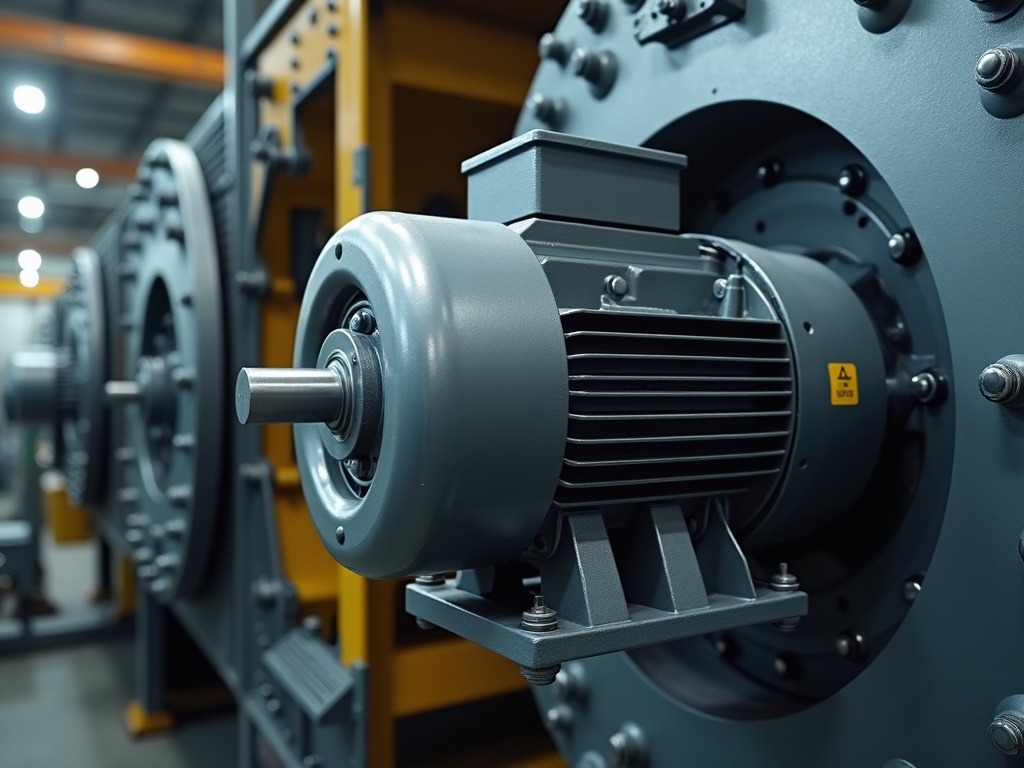
If someone has ever seen a massive pile of rocks moving down a chute without getting stuck, or watched concrete being poured without air bubbles getting trapped, there’s a good chance an electric vibrating motor was doing its job in the background. These motors aren’t just spinning parts—they create vibration on purpose to make machines work better, faster, and more reliably.
Vibration That Actually Helps
When most people think of machines shaking, it probably sounds like something’s wrong. But in a lot of industries, vibration is actually a good thing. It helps materials move more smoothly, keeps things from clogging, and makes sure products are packed or poured the right way.
Electric vibrating motors are the parts that make this controlled shaking happen. They’re not huge or overly complex, but they play a key role in everything from mining to food processing.
They’re built to last, easy to attach to big machines, and help solve common problems without needing much space or extra power.
In places like construction sites or production lines, choosing the right vibration system matters. That’s why some companies use electric vibrating motors to keep materials moving efficiently, especially when dealing with heavy or uneven loads.
So, What Exactly Is an Electric Vibrating Motor?
An electric vibrating motor is a type of motor that doesn’t just spin—it also shakes. It works by using a regular electric motor and adding weights that are off-balance. When the motor turns, the uneven weights create vibration.
The cool part is that this shaking can be controlled. If the machine needs a little vibration, the weights can be smaller or placed closer to the center. If it needs more force, they can be heavier or moved outward.
This type of motor doesn’t need extra parts like springs or complex controls to do its job. Once it’s turned on, it just starts vibrating—and that vibration gets transferred into the machine it’s attached to.
Where Are They Used?
Electric vibrating motors are used in more places than most people realize. They’re found in:
- Mining equipment – to move heavy rocks and separate materials by size.
- Construction gear – to help pour concrete evenly without air pockets.
- Factories – to keep powders, grains, or liquids flowing without blockages.
- Recycling plants – to sort and shake different materials apart.
- Packaging lines – to make sure items settle properly before being sealed.
Basically, anywhere that material needs to move, settle, or spread out smoothly, there’s probably a vibrating motor involved.
Why Can’t Machines Just Work Without Vibration?
Without vibration, a lot of machines would slow down or stop working right. Imagine a chute filled with sand that won’t slide because it’s clumped up, or a concrete slab filled with air pockets because it didn’t settle evenly. That’s what can happen when vibration isn’t used.
Here’s what electric vibrating motors help with:
- Preventing blockages – materials don’t stick or clump as easily.
- Speeding up flow – materials move faster without stopping.
- Leveling and compacting – useful in concrete and packaging work.
- Reducing waste – by making sure materials are used properly and not stuck in the system.
Without vibration, a lot of work would be slower, messier, or just not as safe.
How Do They Help in Big Machines?
Big machines are powerful, but they still need help doing detailed jobs. That’s where vibrating motors come in. They’re small compared to the machines they’re attached to, but they improve performance a lot.
For example, in a concrete truck, a vibrating motor can help make sure the mix spreads evenly when poured. On a conveyor belt, vibration helps materials move without getting jammed. And in a hopper (which holds materials before they’re used), the vibration keeps things flowing instead of getting stuck at the bottom.
This also saves time. Workers don’t have to stop the machine to fix blockages or redo work. It also means fewer breakdowns, which is a big deal on busy job sites.
Easy to Install, Easier to Use
Another reason electric vibrating motors are used so much is because they’re pretty simple to work with. They can be bolted onto machines and connected to a power supply. Once they’re turned on, they start vibrating right away.
They also come in different sizes and power levels. That means there’s one for almost any job, whether it’s something small like shaking a container, or something huge like helping with mining operations.
Plus, most of them are built to handle dirt, heat, and tough working conditions. That makes them dependable in places where regular parts might break or wear out fast.
What Happens Without One?
If a machine needs vibration but doesn’t have the right motor, problems can build up fast. Materials can pile up where they’re not supposed to. Mixes might come out uneven. Products can get damaged, or jobs might have to be redone.
This not only slows things down but also costs more money. Replacing materials or fixing broken parts adds up, especially when it happens often.
Electric vibrating motors fix these issues before they start. They keep everything moving the way it should, so the rest of the machine can work properly.
Choosing the Right Motor Matters
Not every vibrating motor does the same job. Some are designed for super strong vibration. Others are made for lighter, more careful shaking. Picking the right one depends on what material is being moved and how the machine is set up.
There are also motors made to handle certain temperatures, dust levels, or power limits. Using the wrong one could wear it out too fast—or even damage the machine it’s attached to.
That’s why a lot of companies work with suppliers who know what motor fits the job best. It saves time, energy, and replacement costs later on.
Final Thoughts
Electric vibrating motors might not be the biggest part of a machine, but they make a huge difference. They’re the reason materials keep flowing, surfaces stay even, and heavy jobs go smoothly without constant problems.
They work quietly in the background, solving issues before they happen and helping the rest of the equipment do its job better.
For any machine that deals with movement, flow, or settling, having the right vibration system is just smart. It keeps things simple, steady, and safe—without needing extra effort.